2020
1948-1992
- Graphic Design History
- Research
- Editorial Design
- Political Communication
- Visual Archive
- Italian Politics
- Poster Design
See on
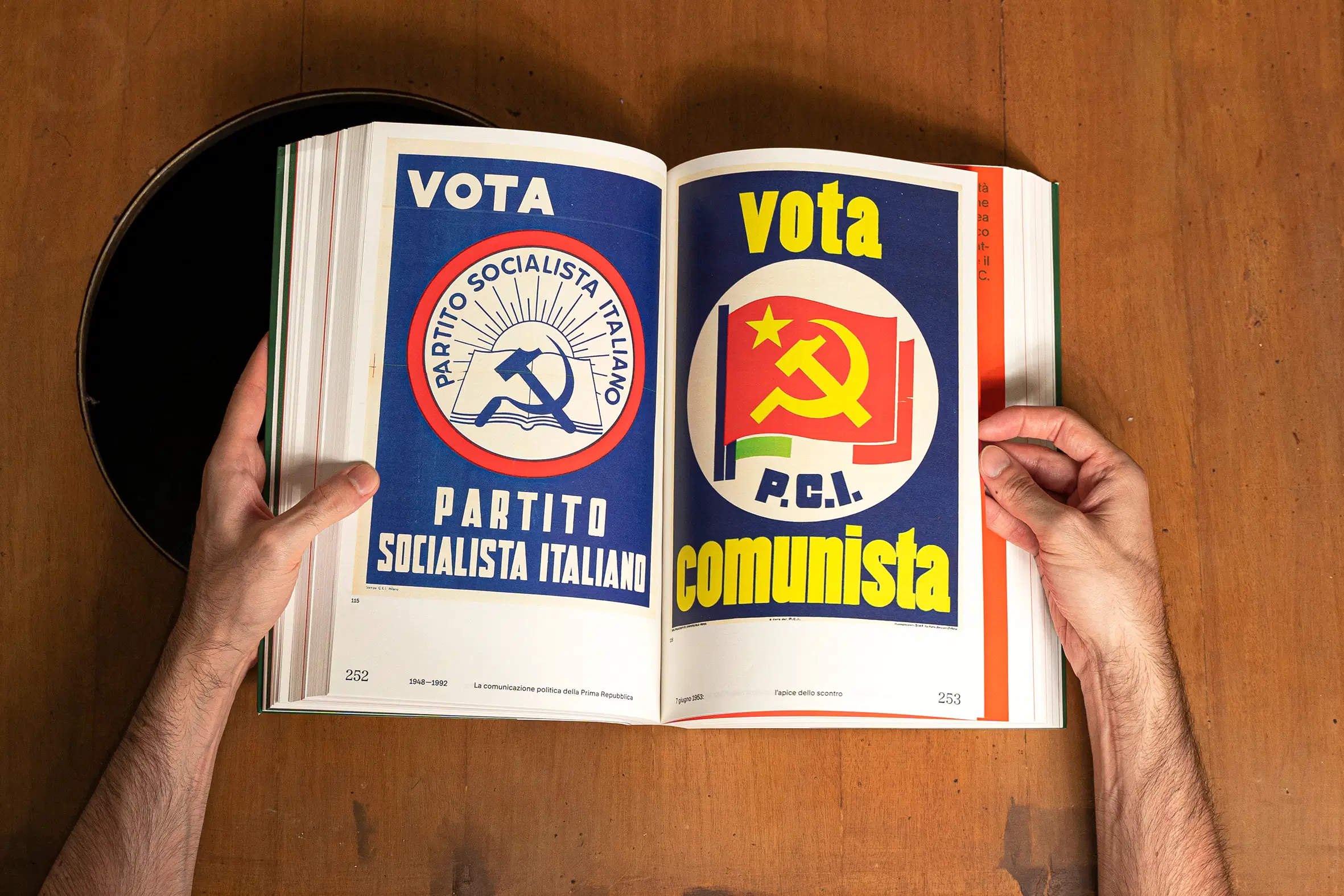
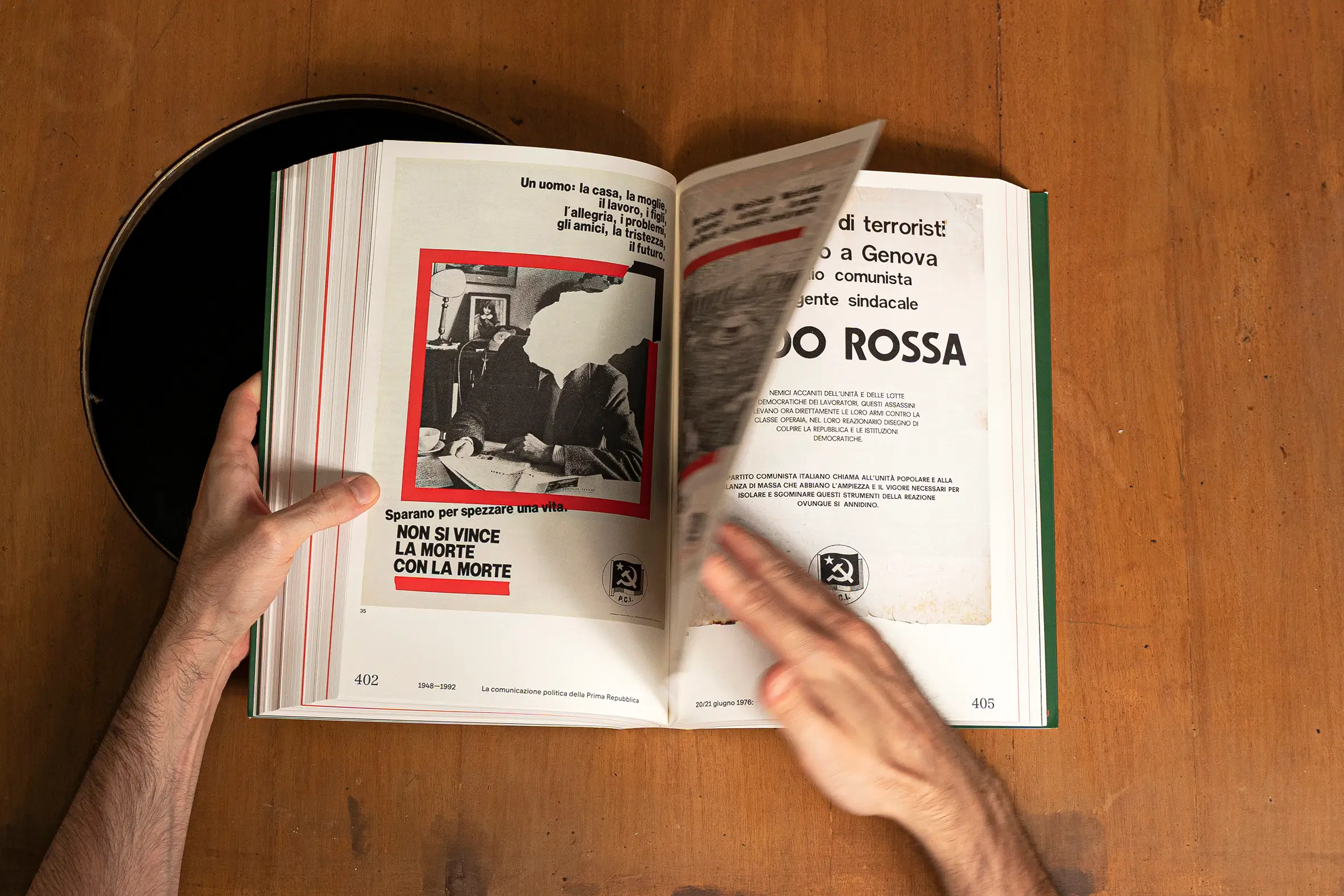
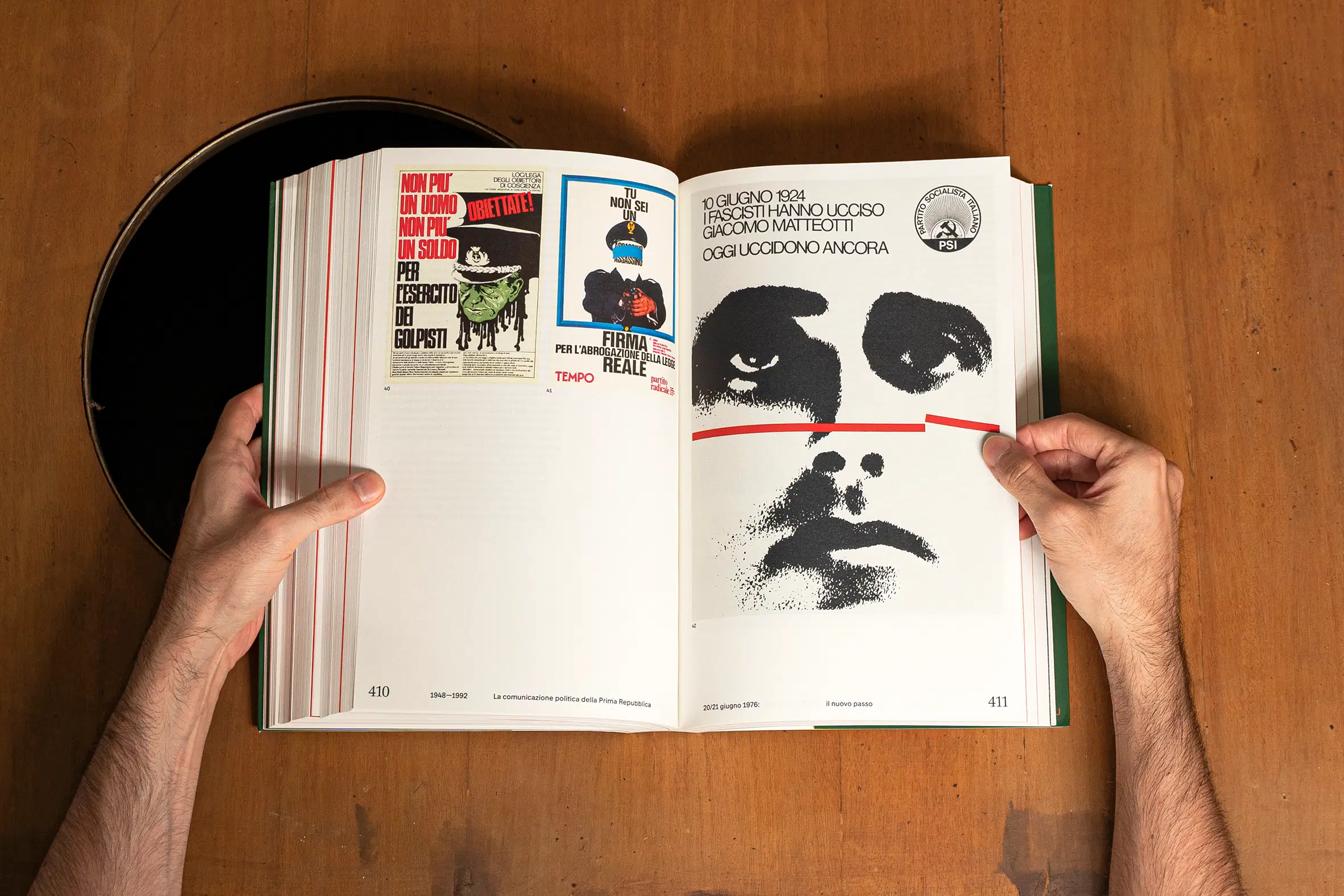
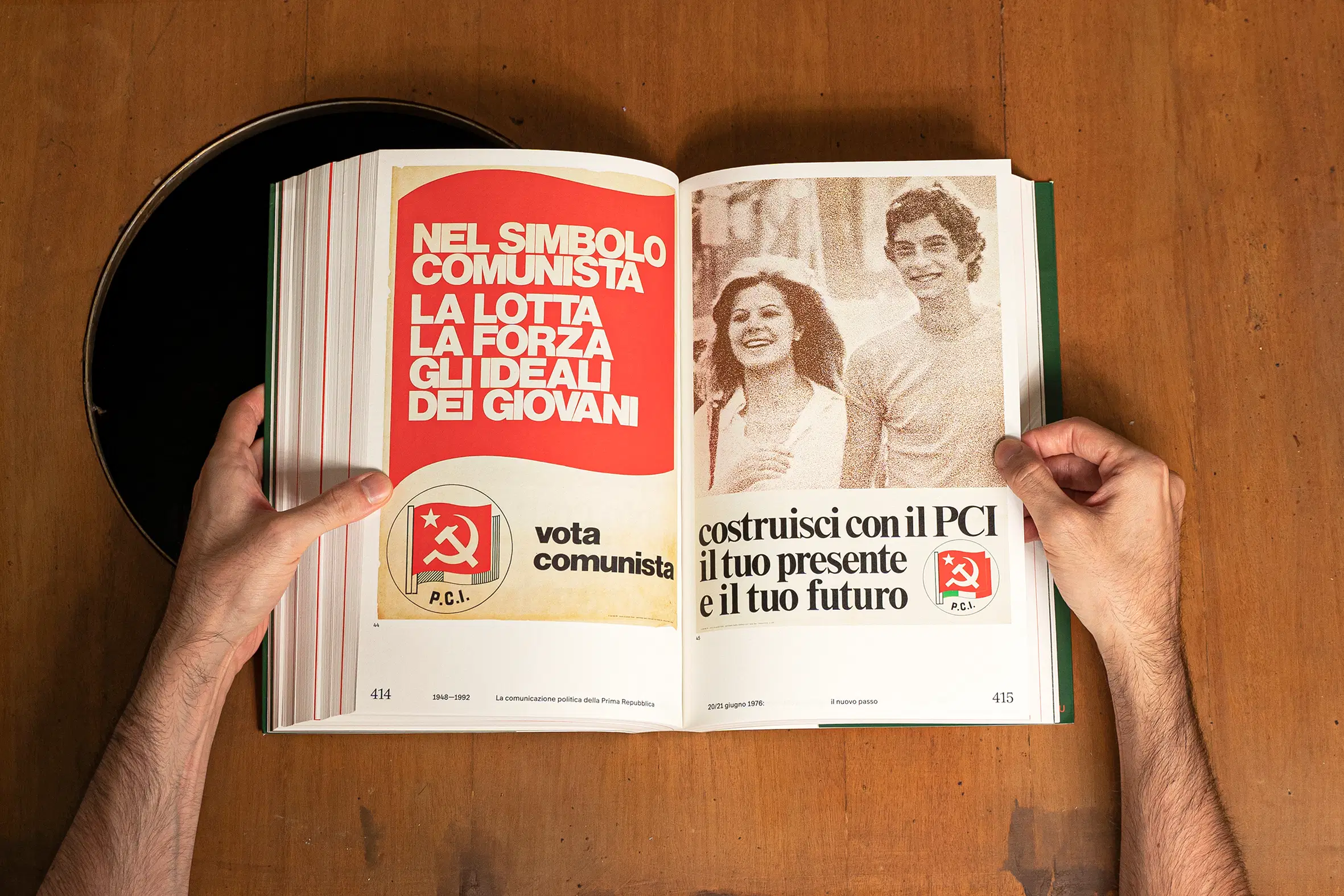
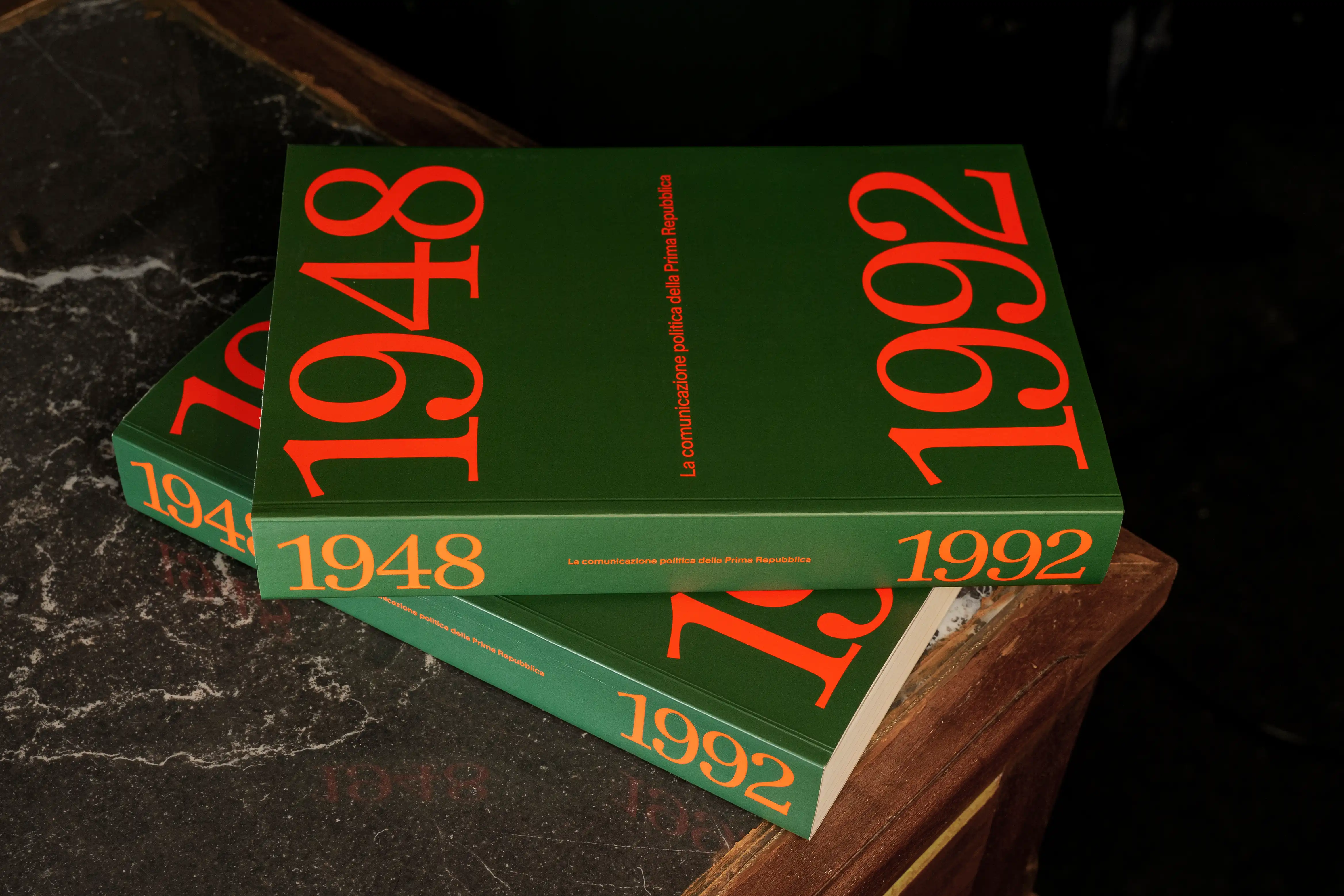
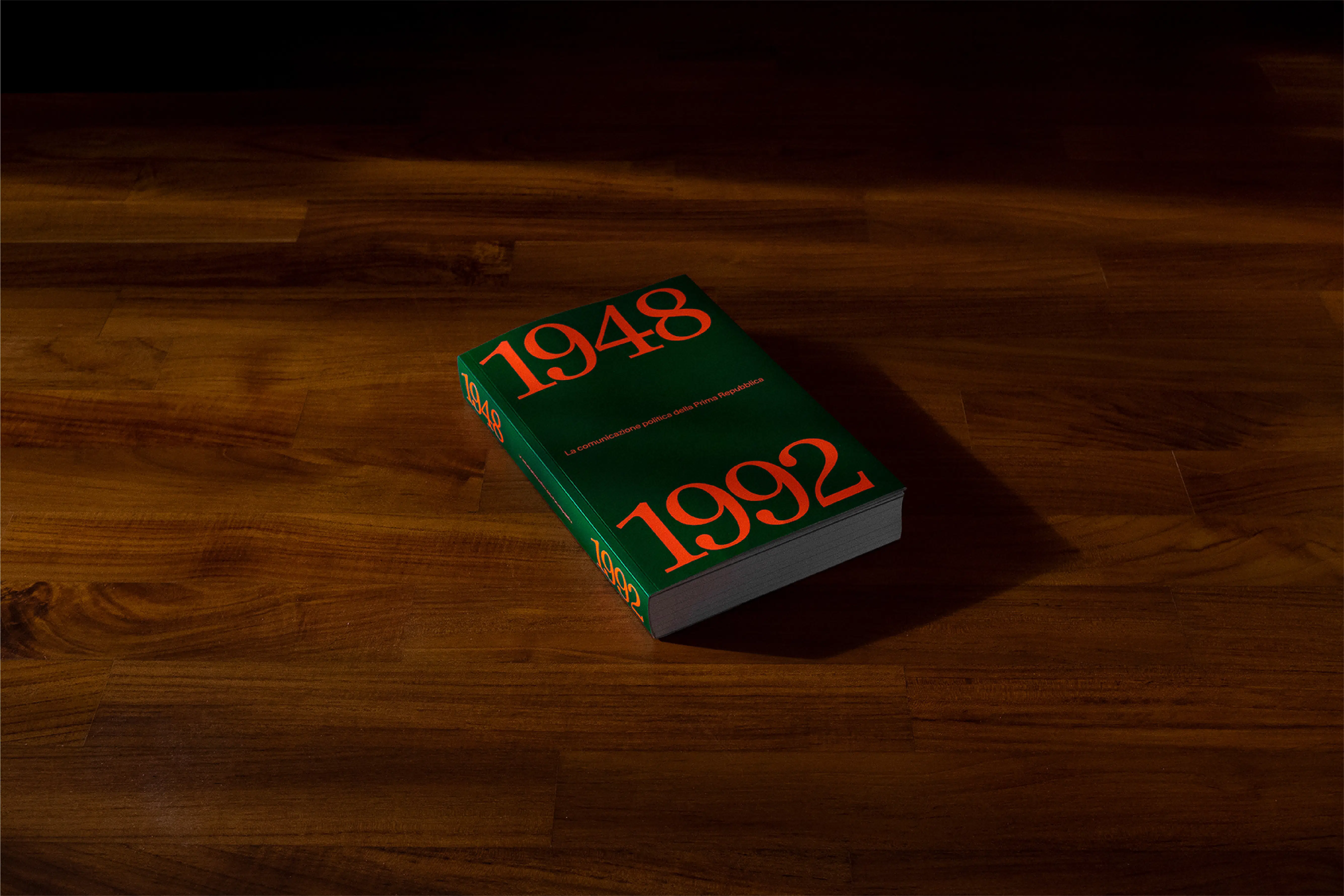
“1948–1992 The Political Communication of Italy’s First Republic” is a research and editorial project investigating the evolution of political communication in Italy during the First Republic, from the first elections of 1948 to the last before its dissolution in 1992. The work analyses six key national elections, using them as historical markers to understand how parties, ideologies, social tensions, and visual languages changed across more than four decades.
At the centre of the research is the political poster, one of the most powerful communication tools of the period. Displayed across cities and streets, posters were able to reach people beyond party meetings, newspapers, and militant circles, becoming a public language through which politics entered everyday life.
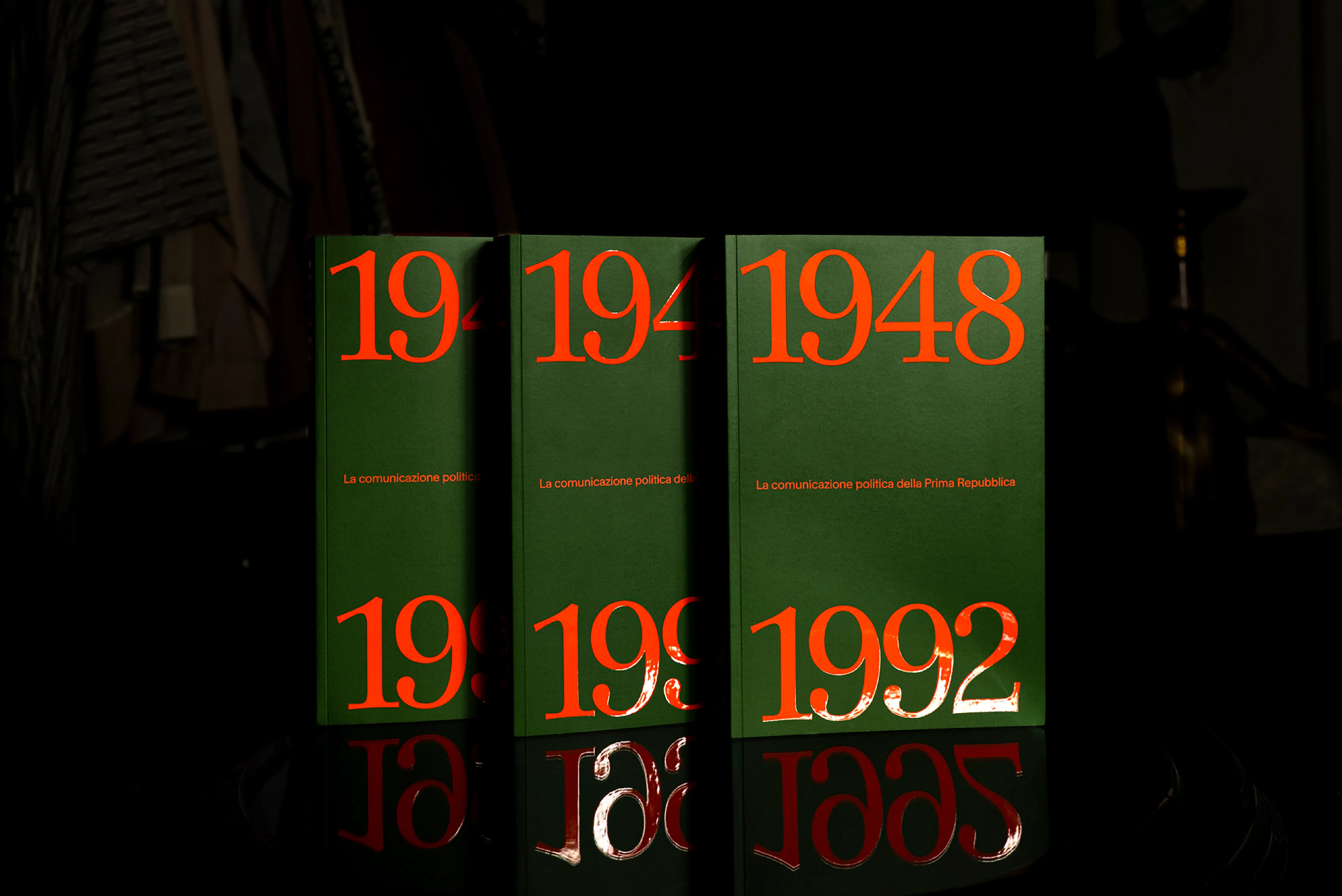
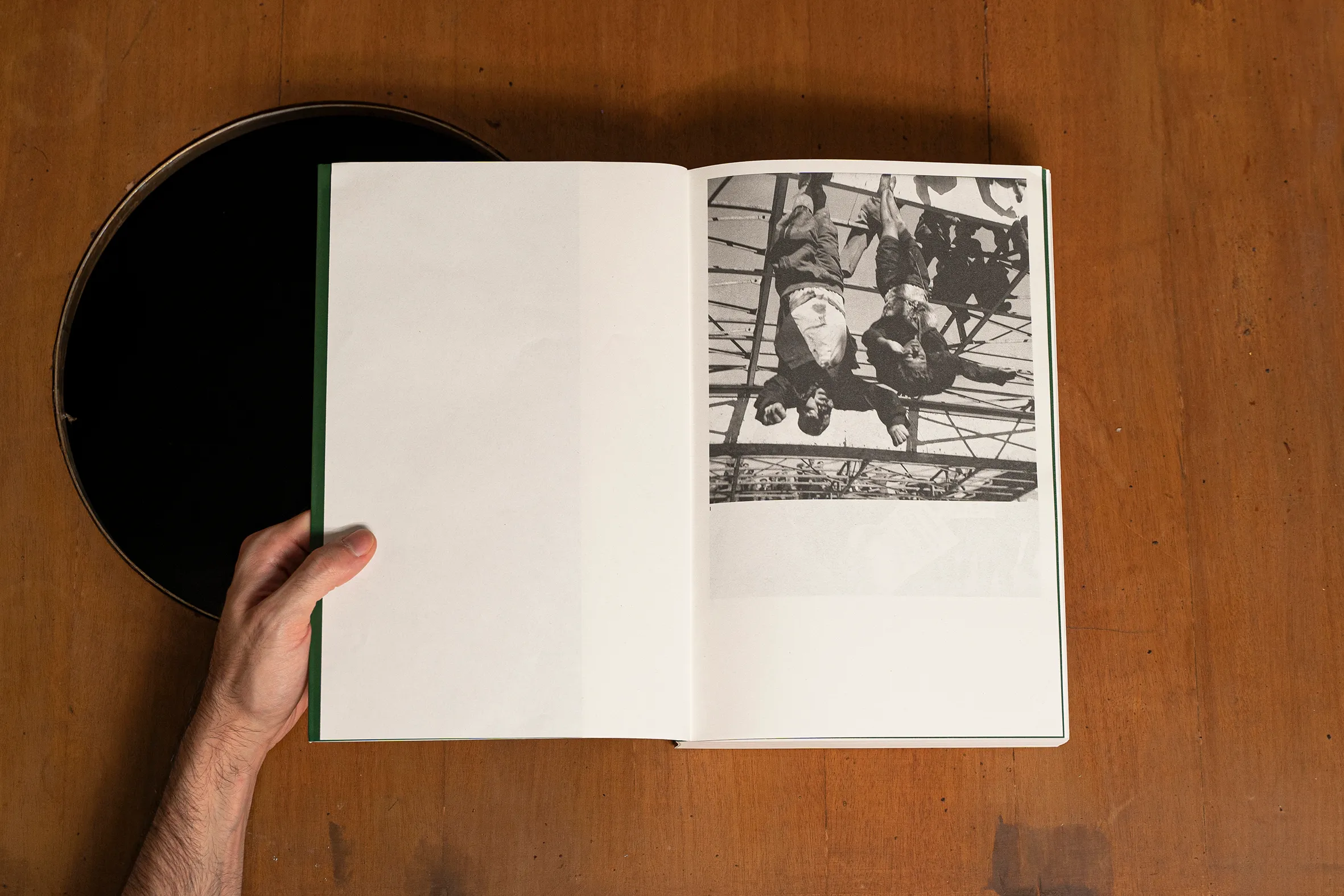
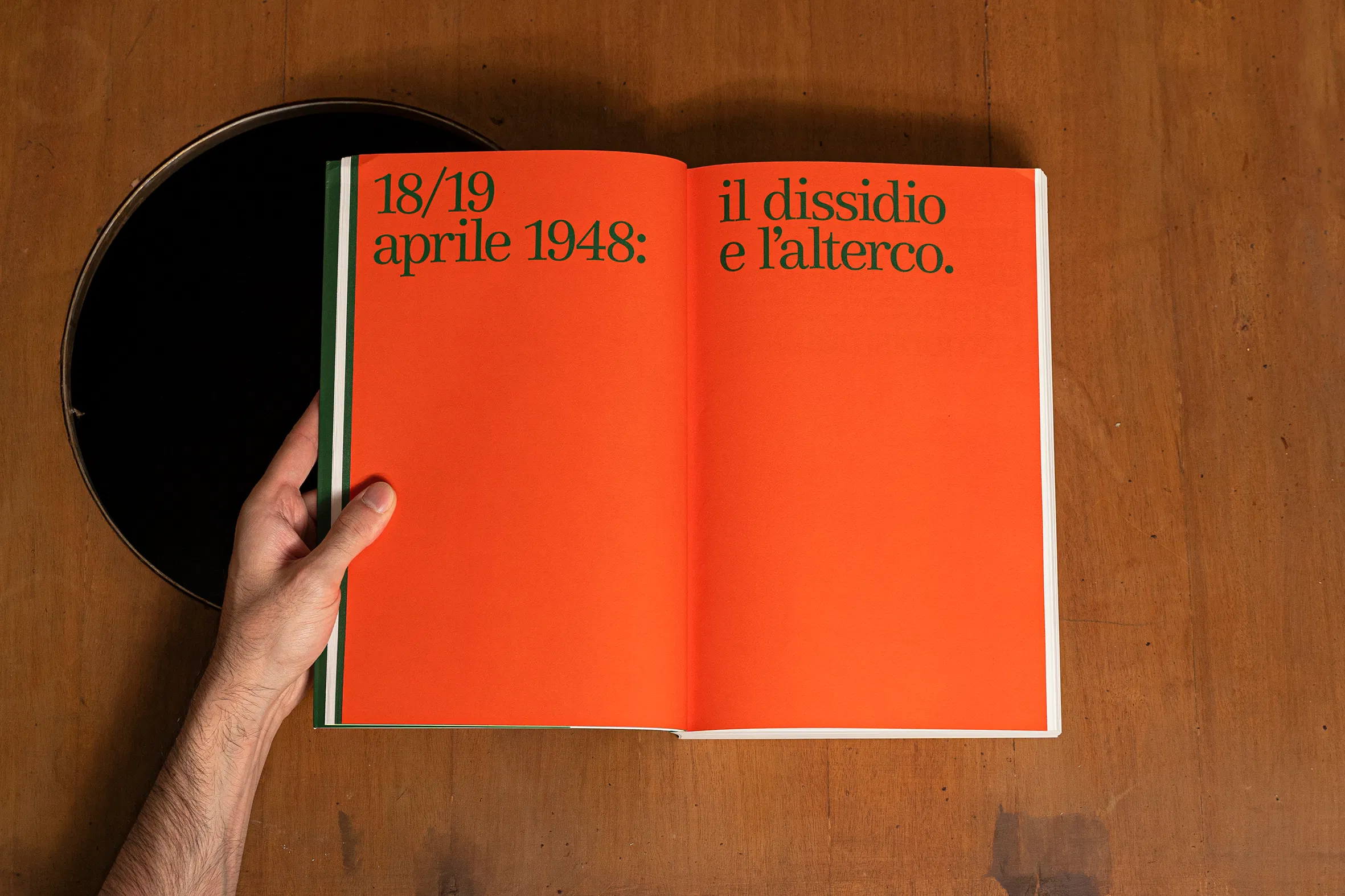
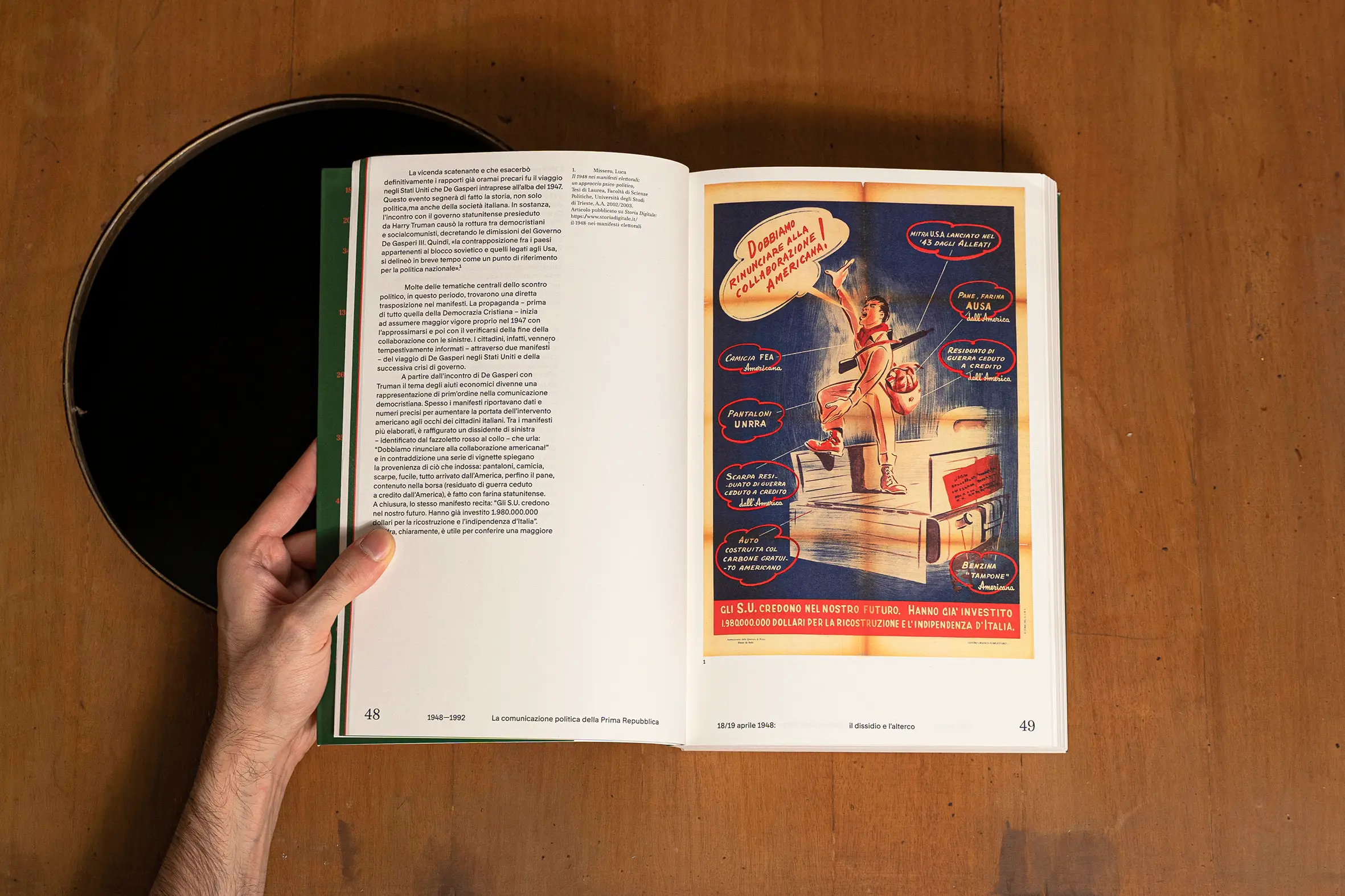
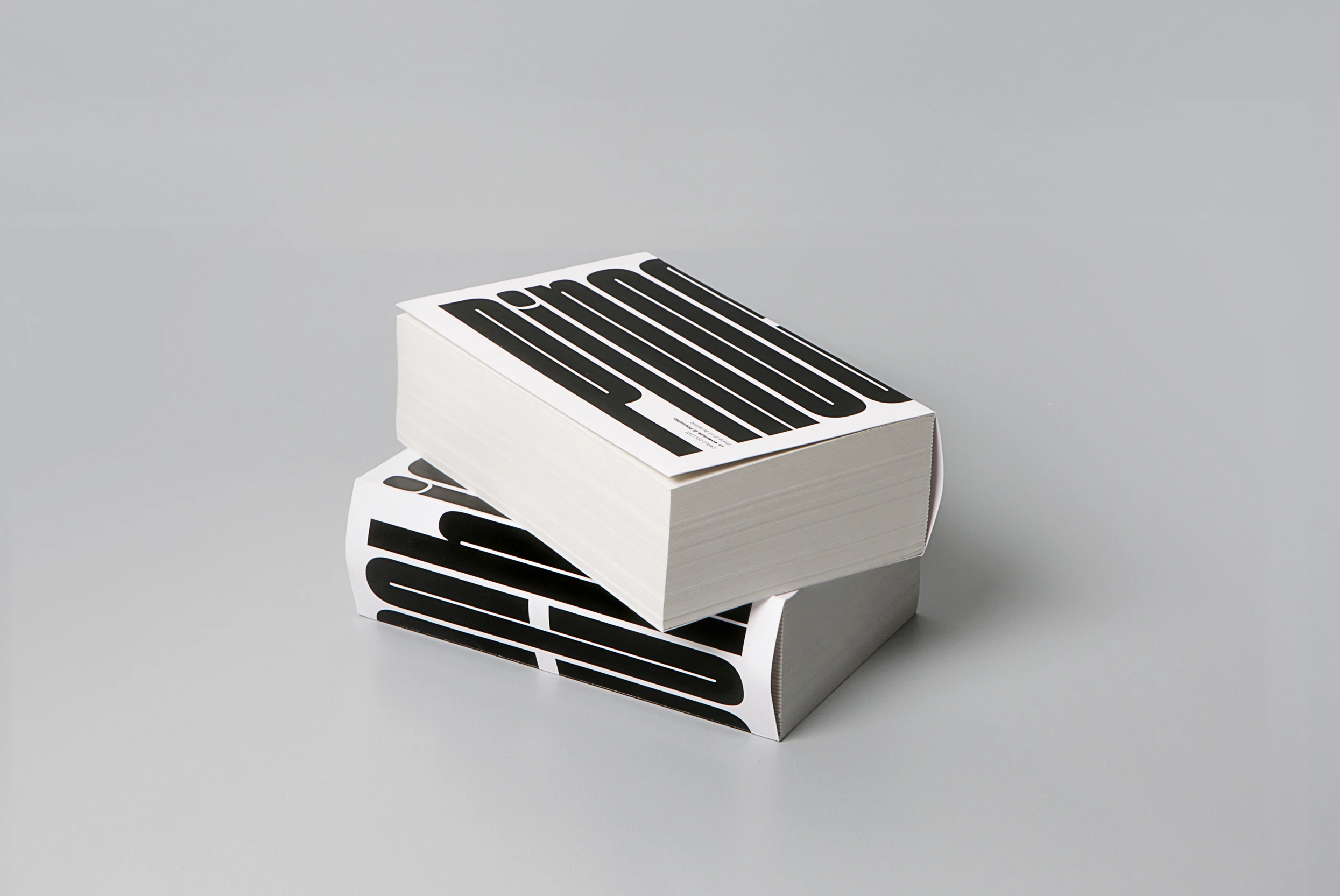
Organised around six defining elections, the research traces the evolution of Italian political communication across more than four decades. The resulting 628-page editorial archive gathers and contextualises an extensive collection of visual material, uncovering stylistic tendencies, recurring strategies, and the changing relationship between graphic design, politics, and society.
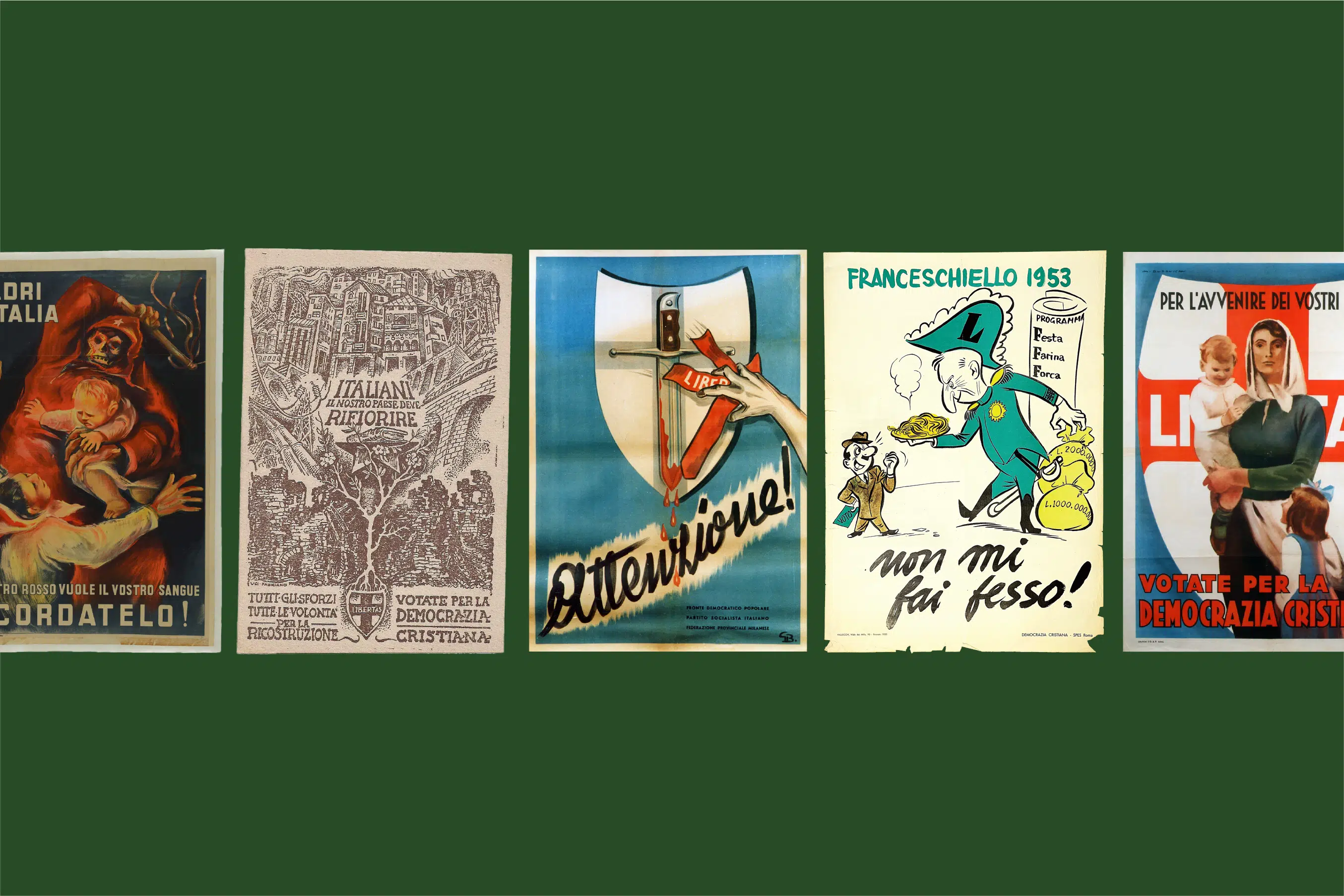
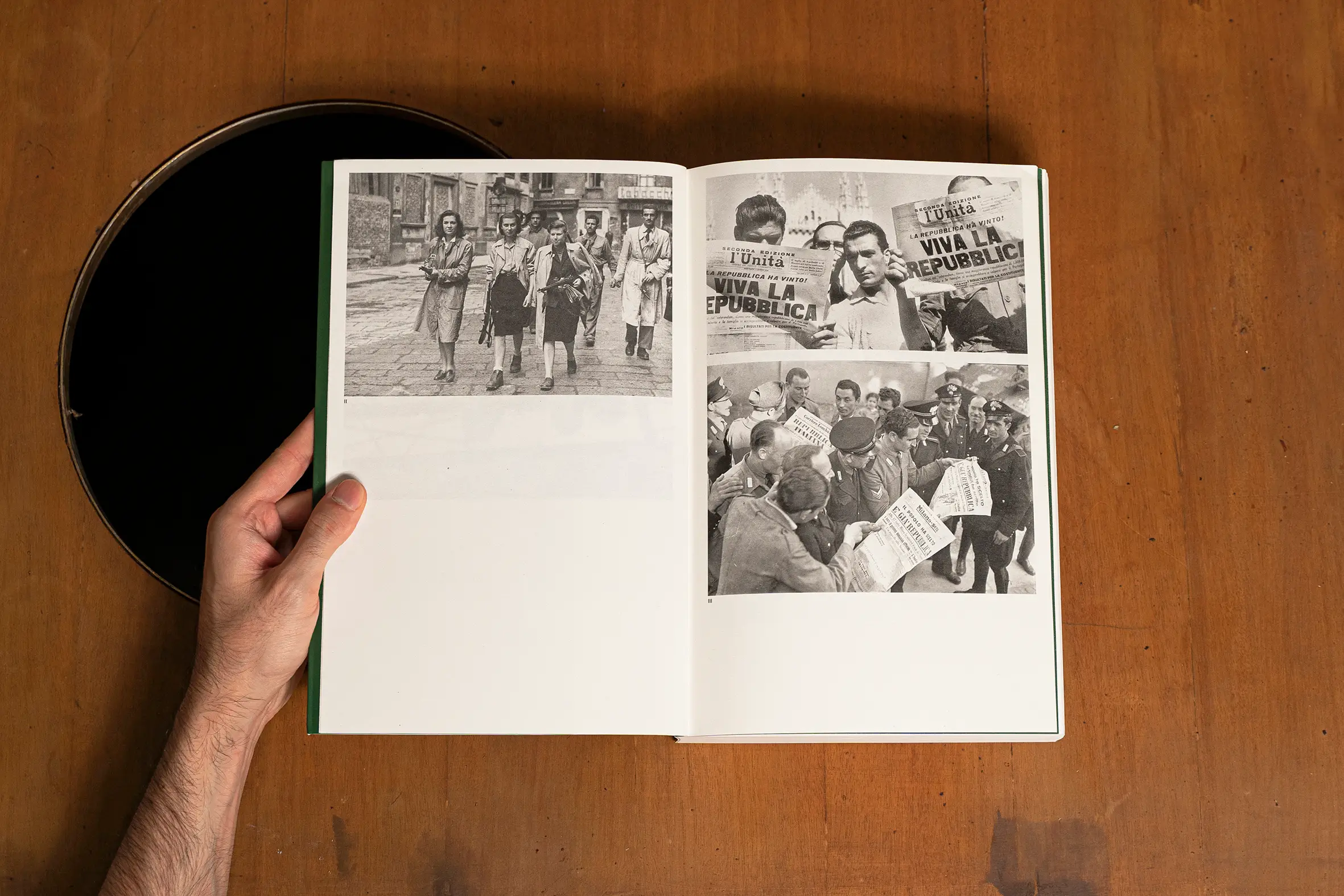
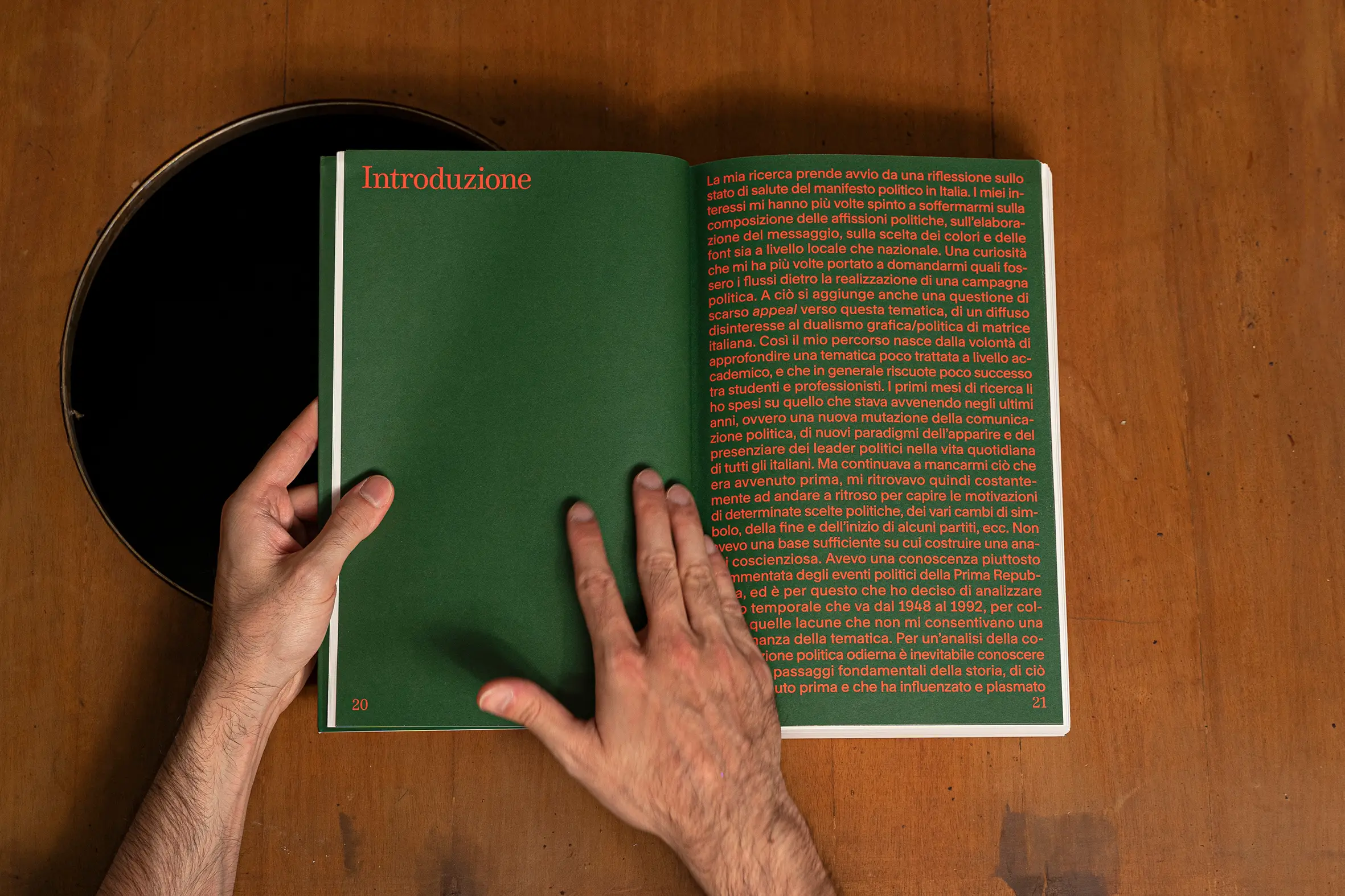
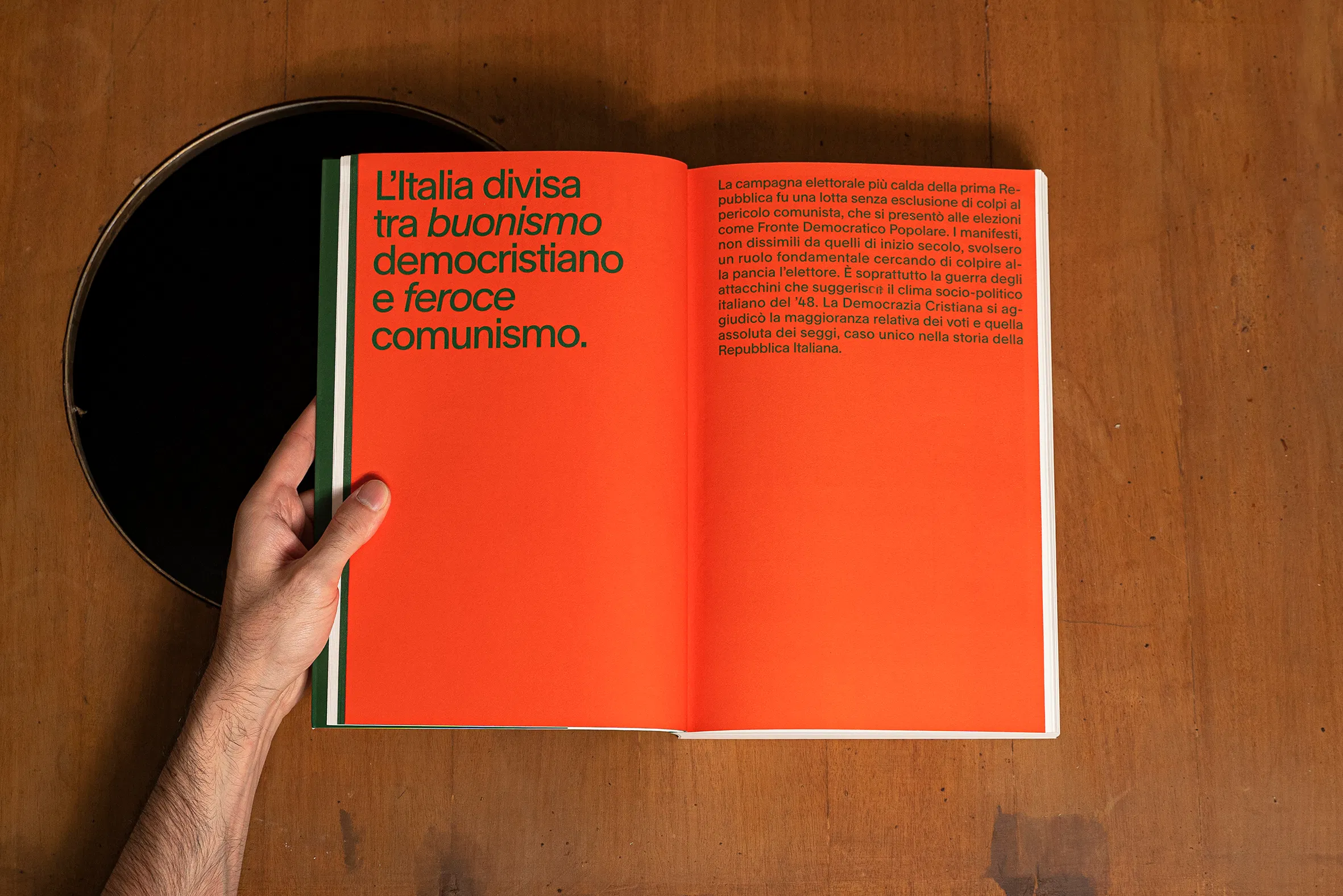
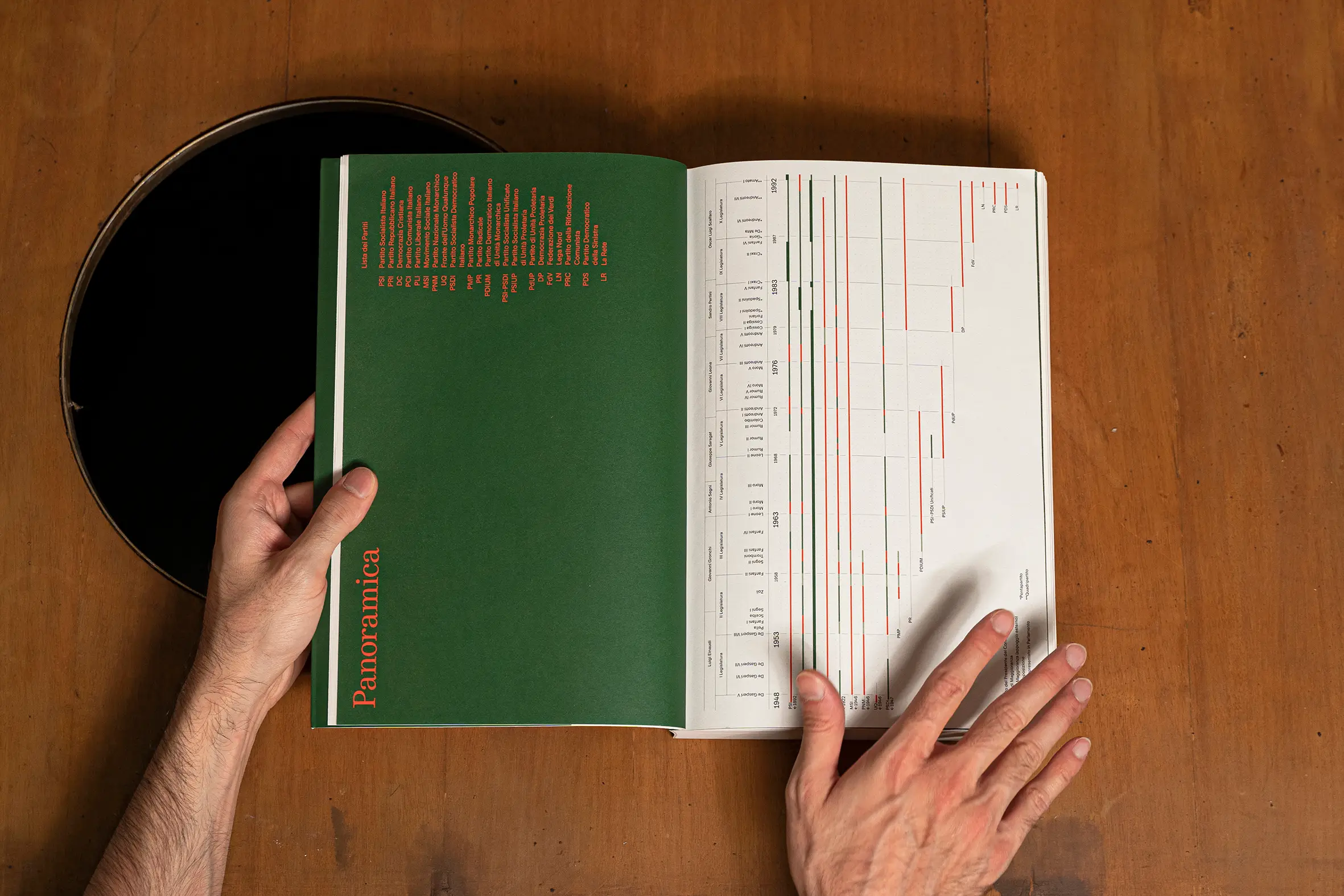
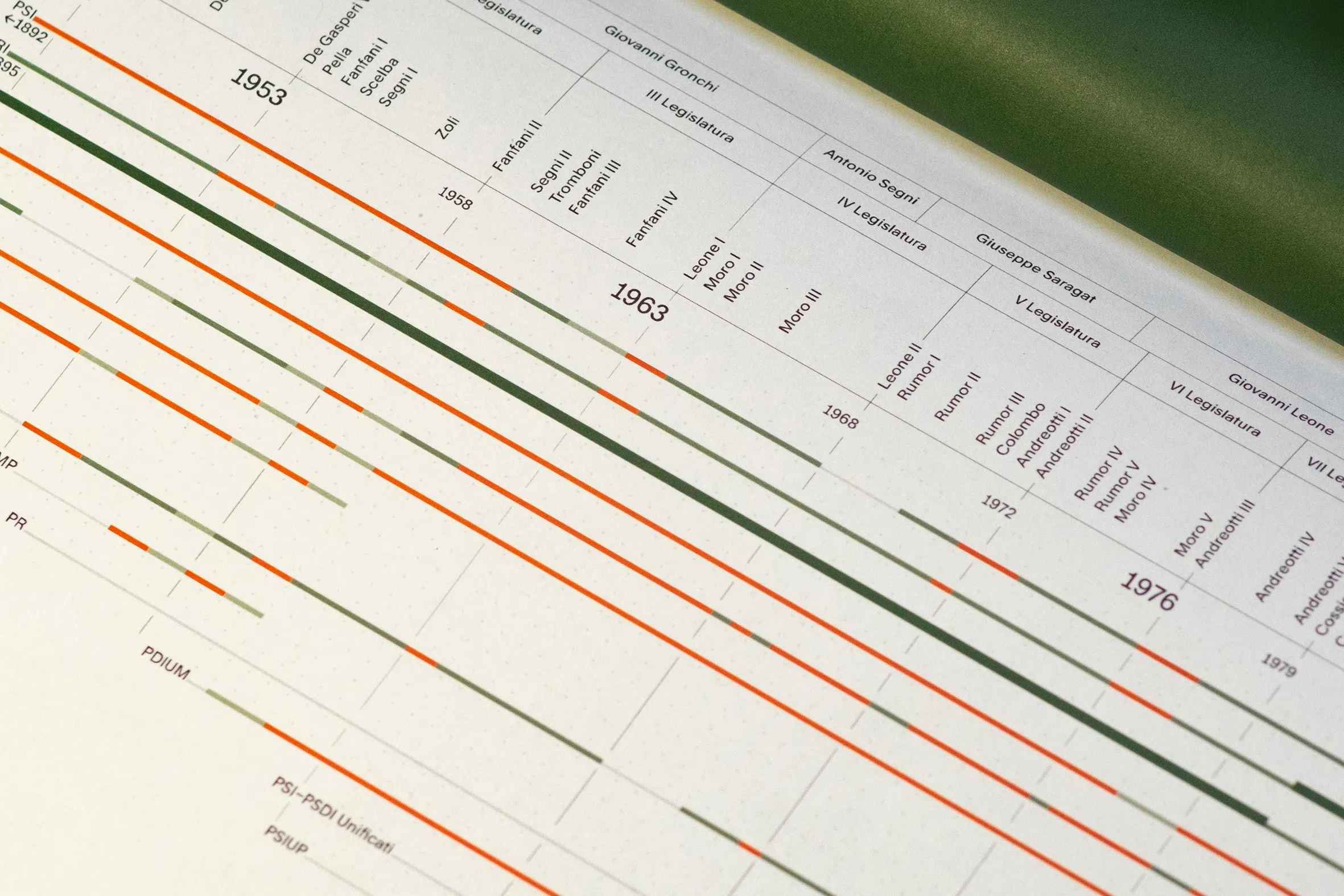
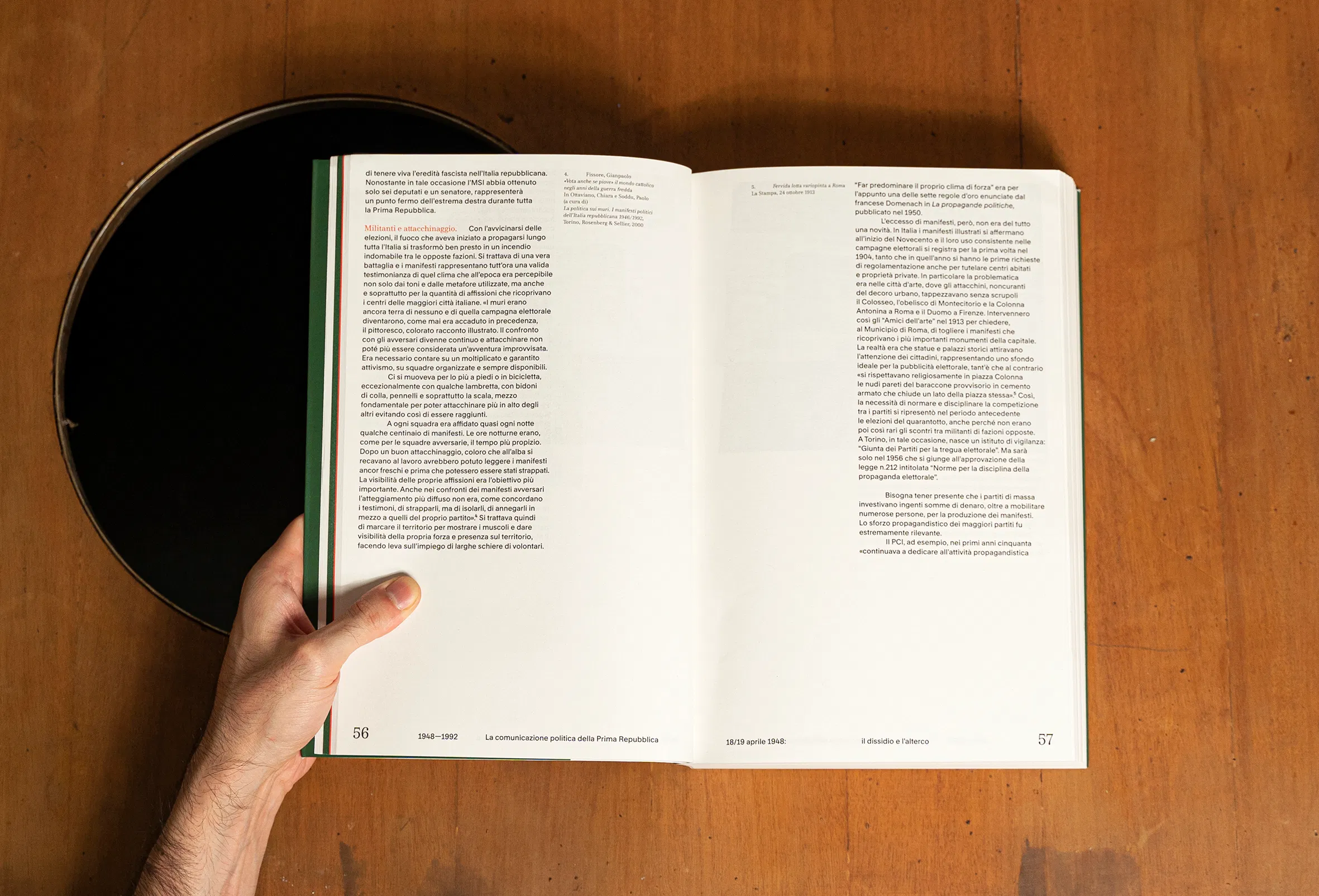
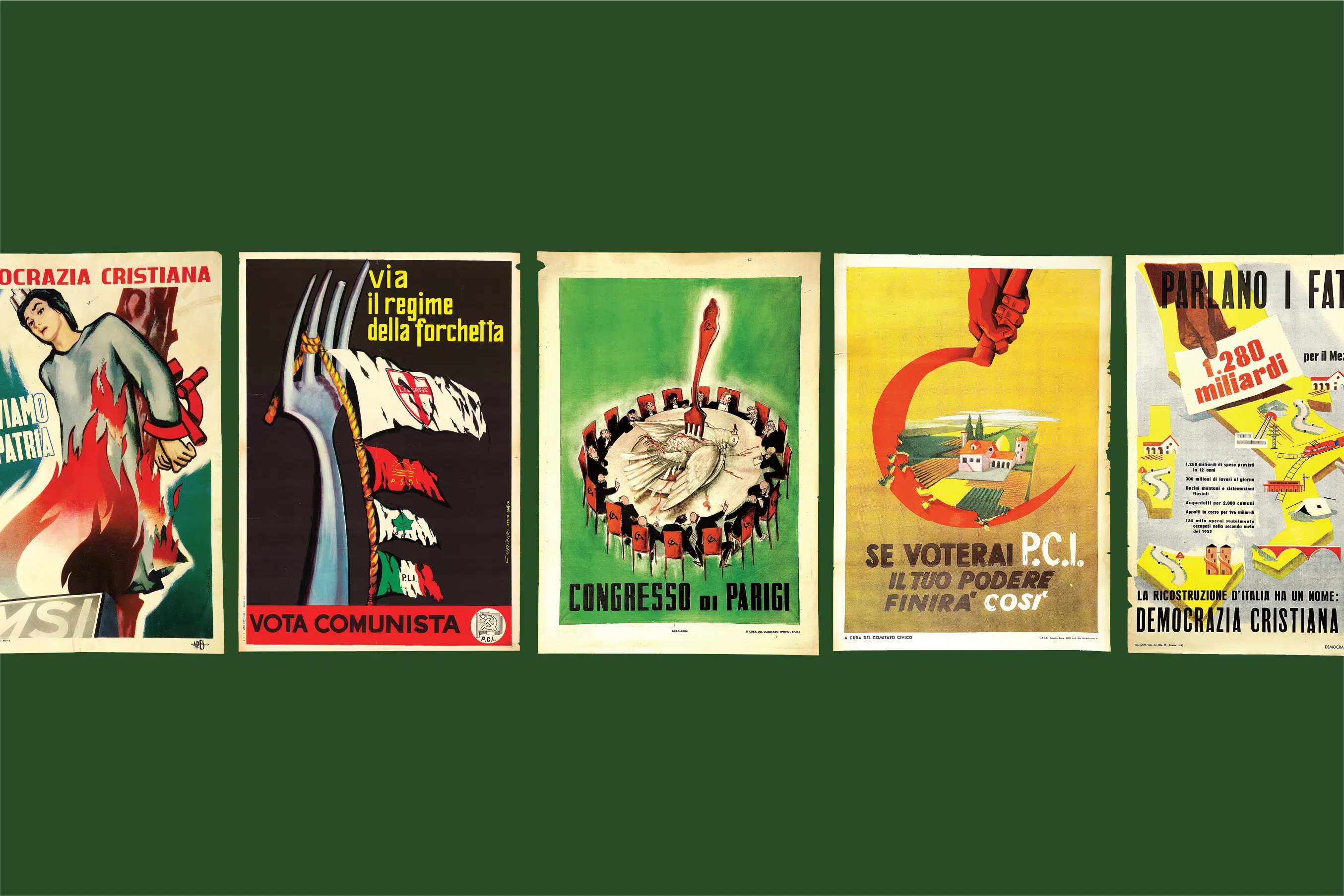
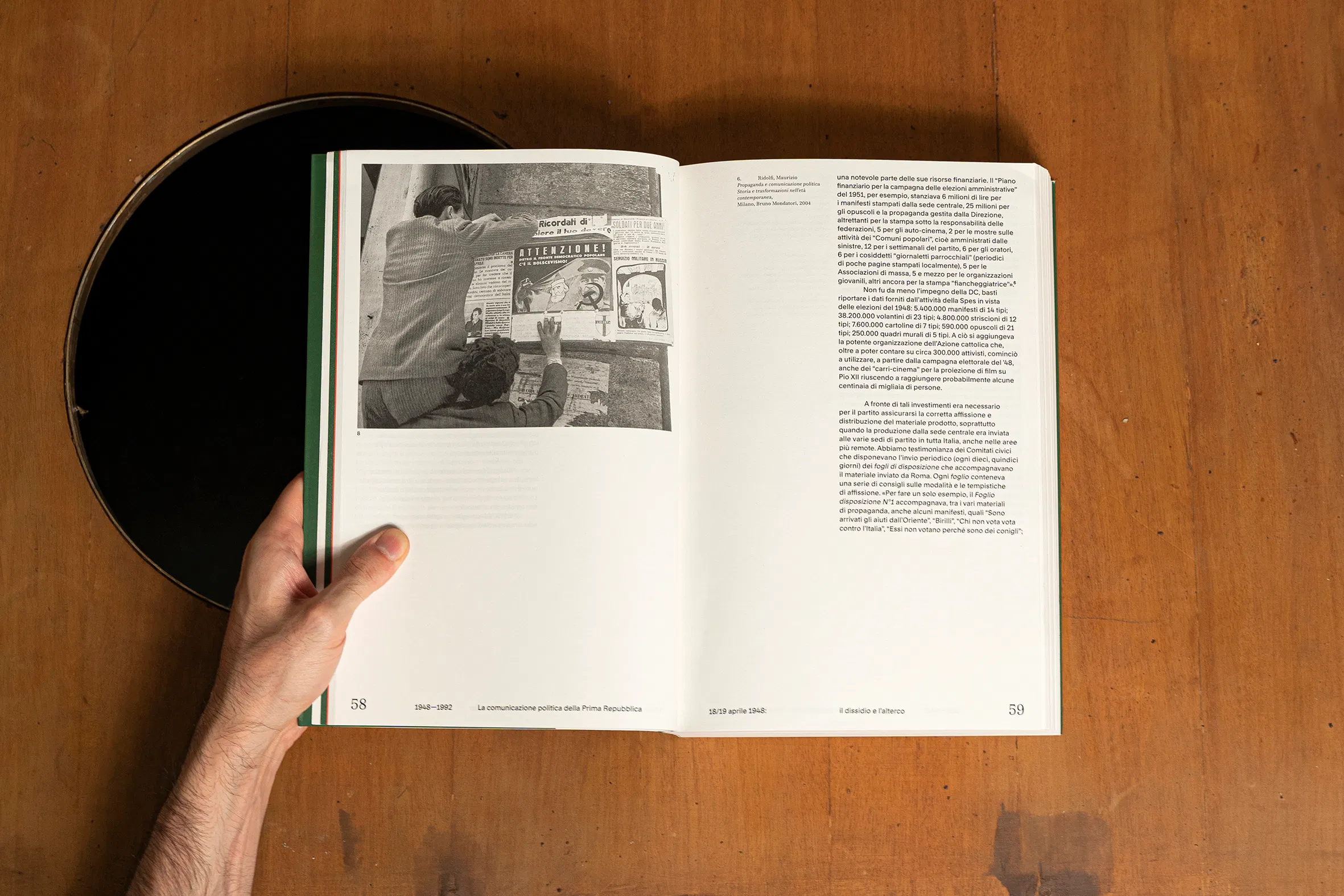
The project combines historical analysis with visual research, treating posters not only as propaganda, but as cultural documents. Their symbols, colours, typography, slogans, and compositions reveal how Italian society was changing, from post-war ideological confrontation to the increasingly advertising-driven language of the early 1990s.
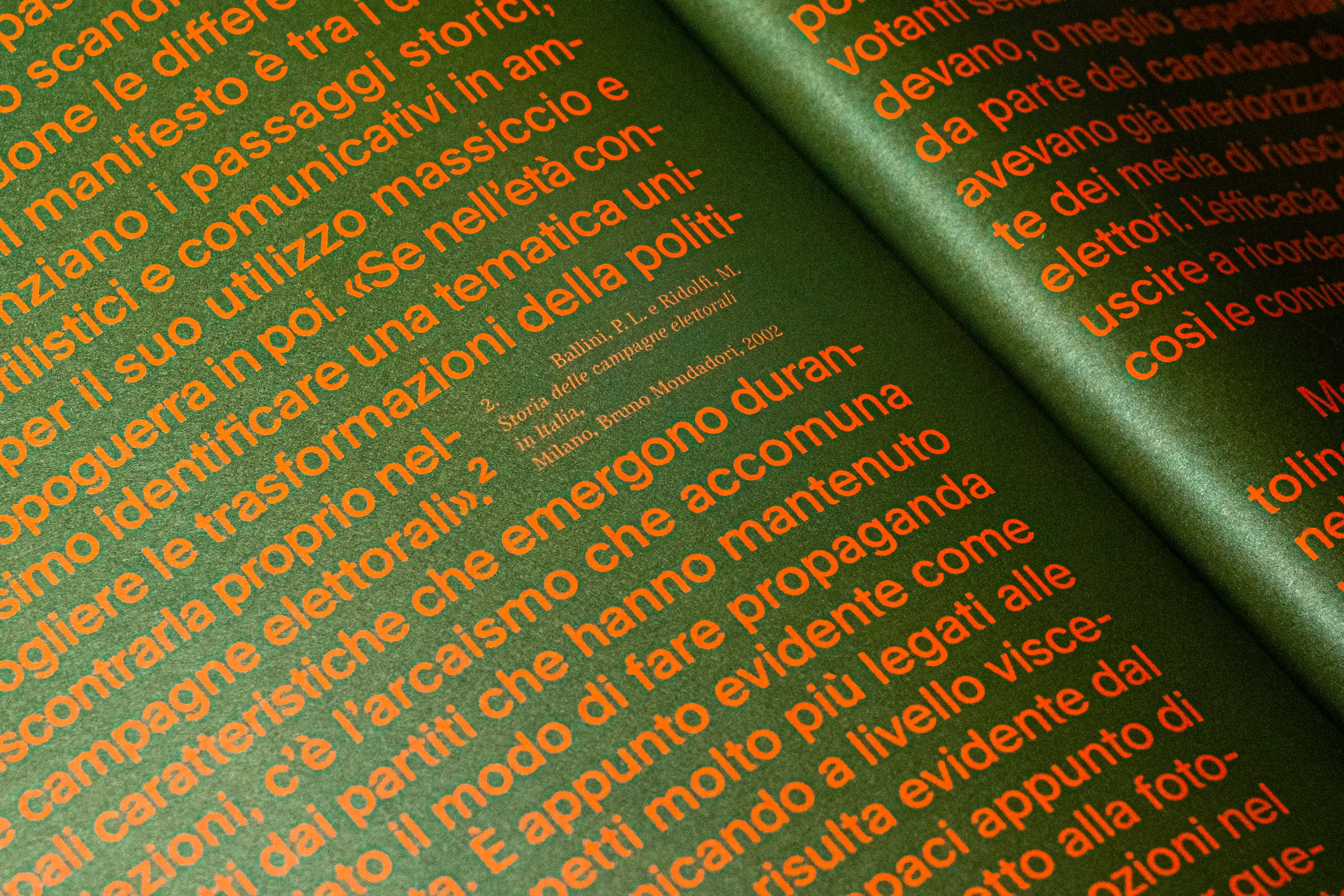
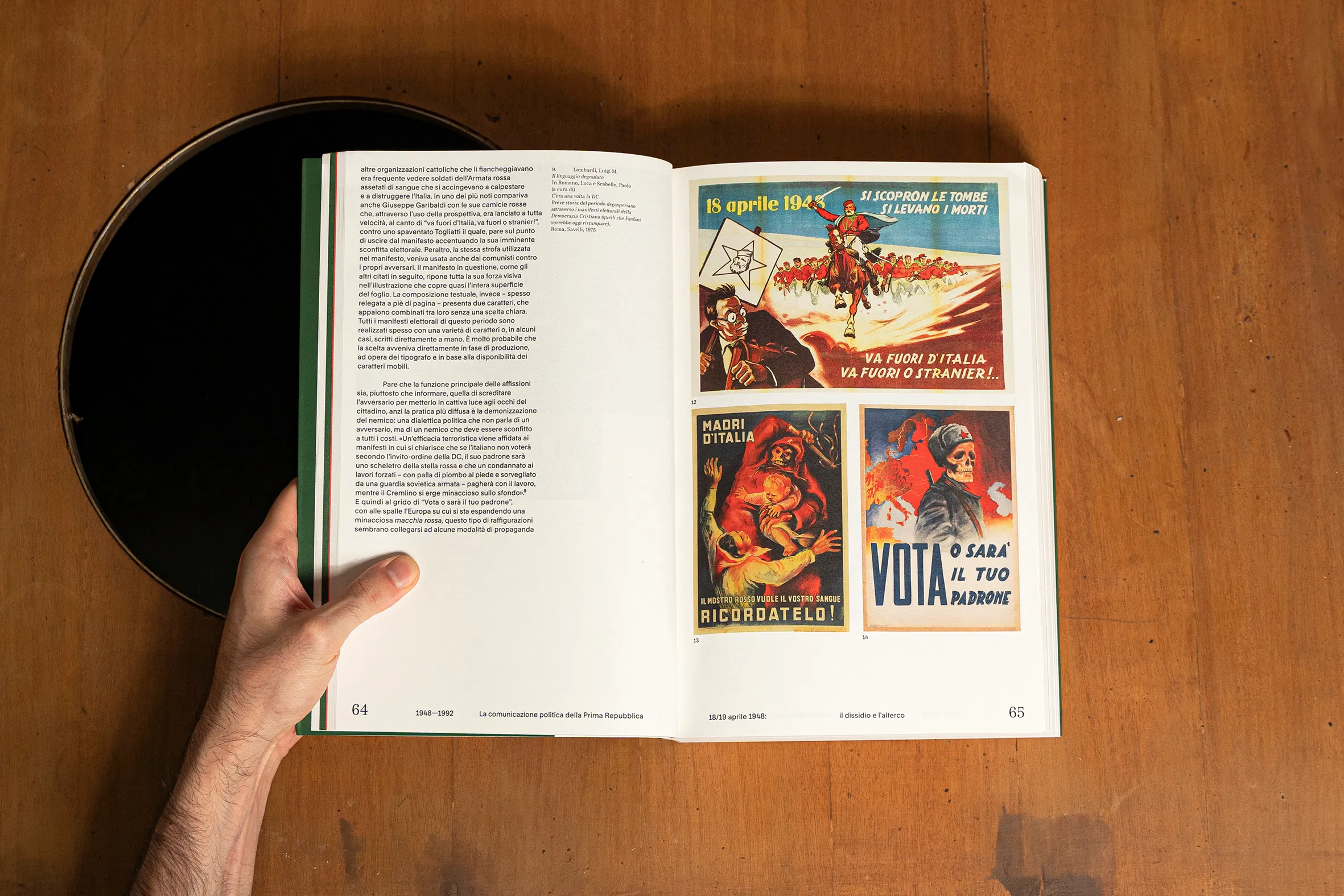
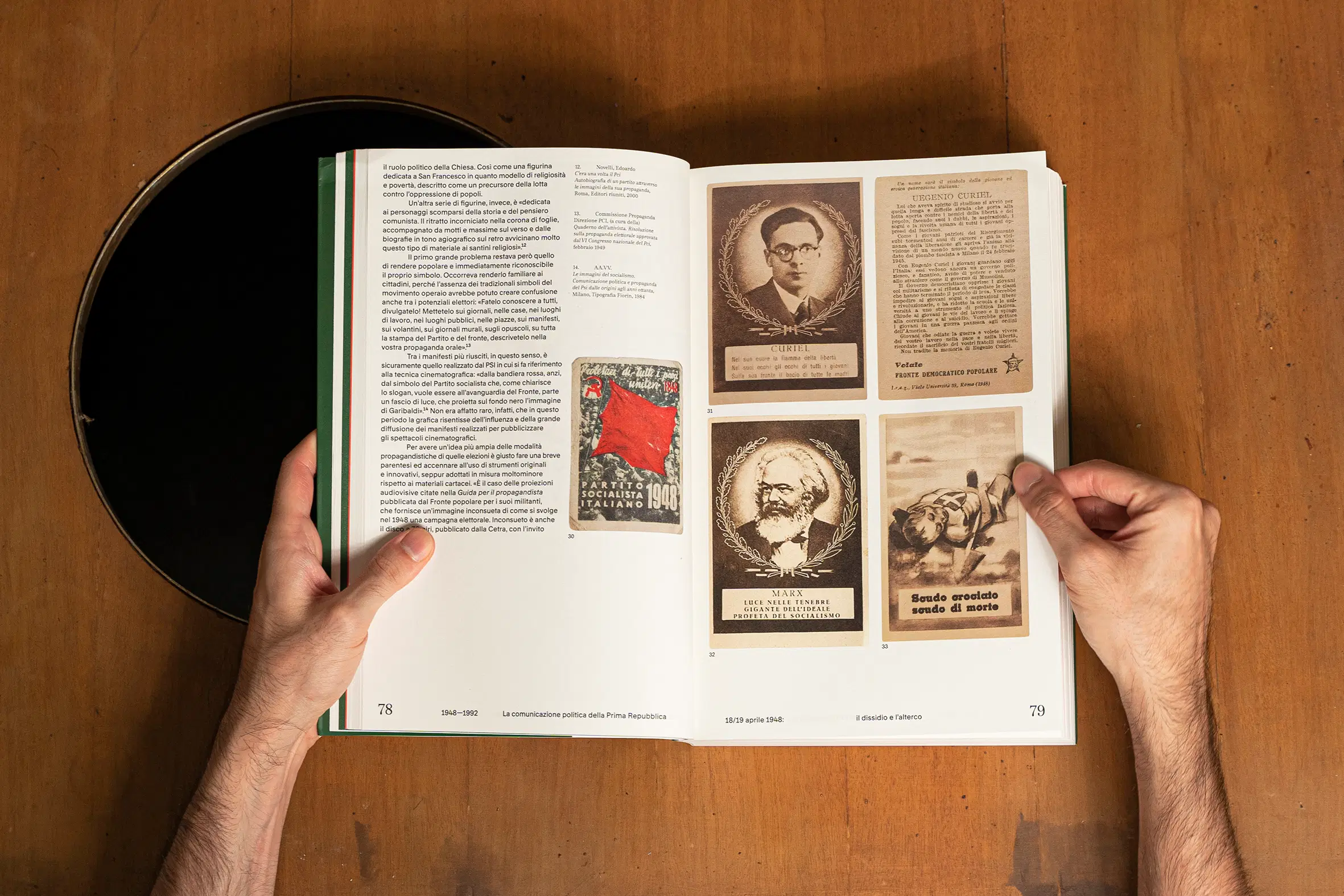
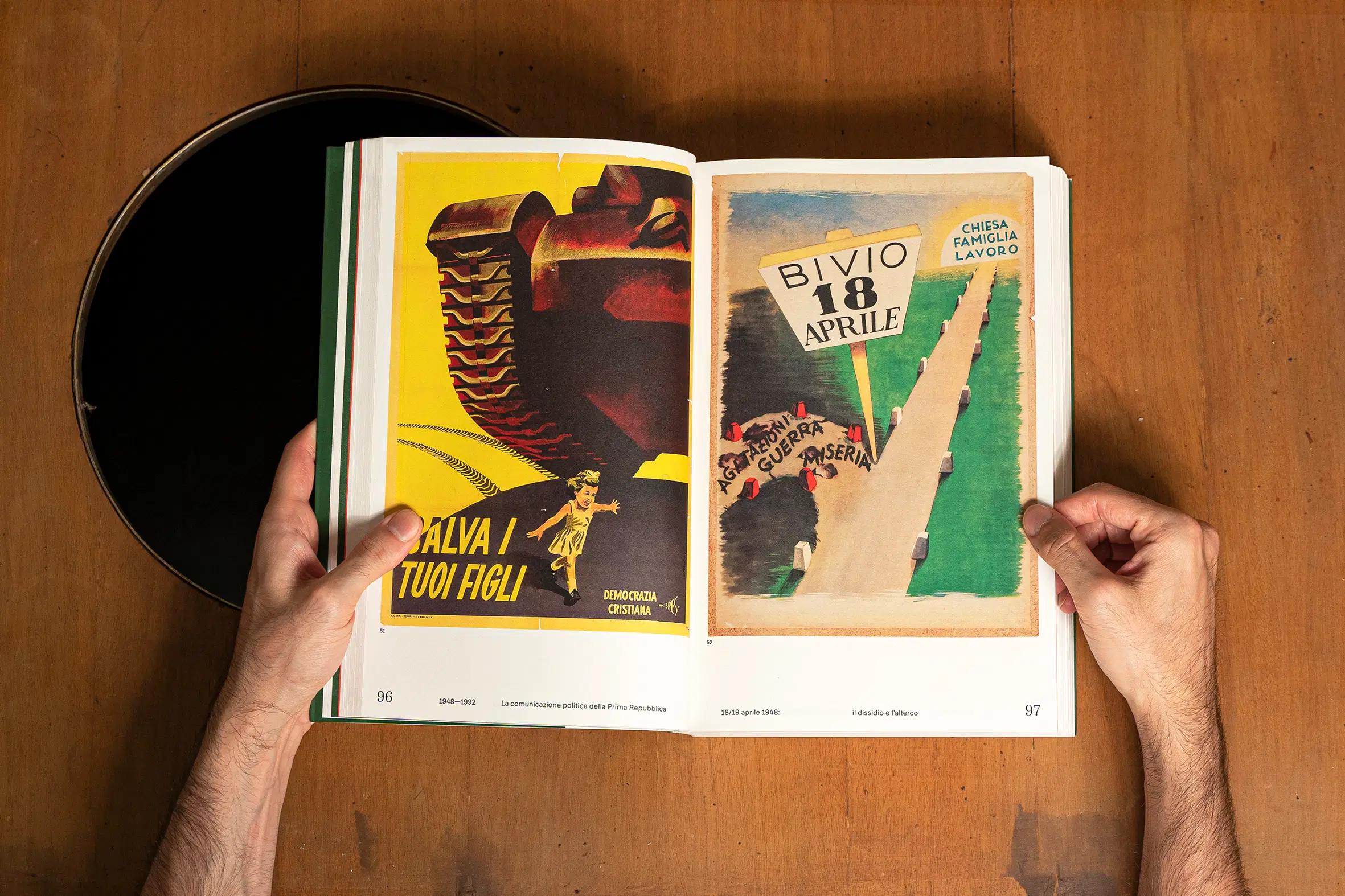
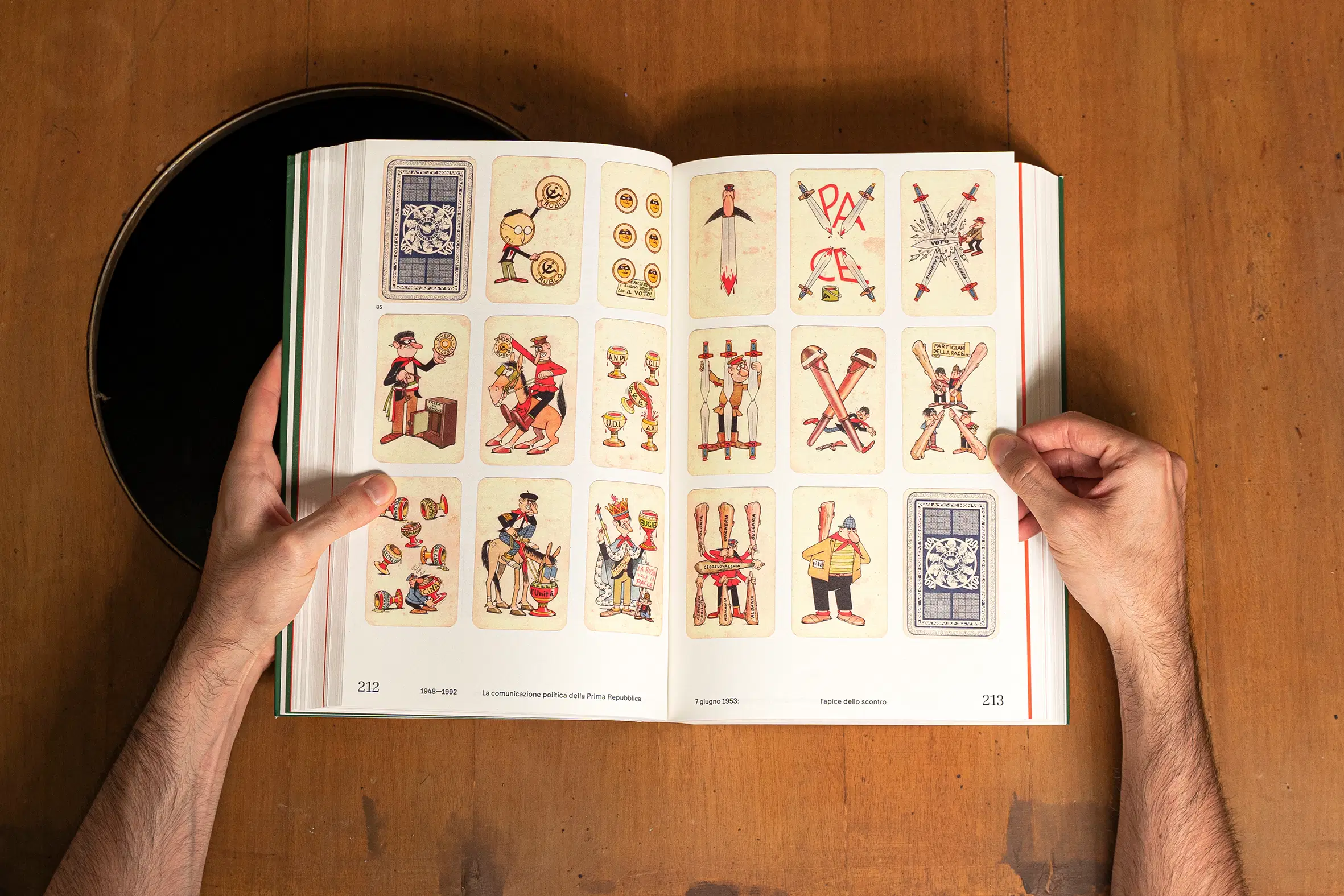
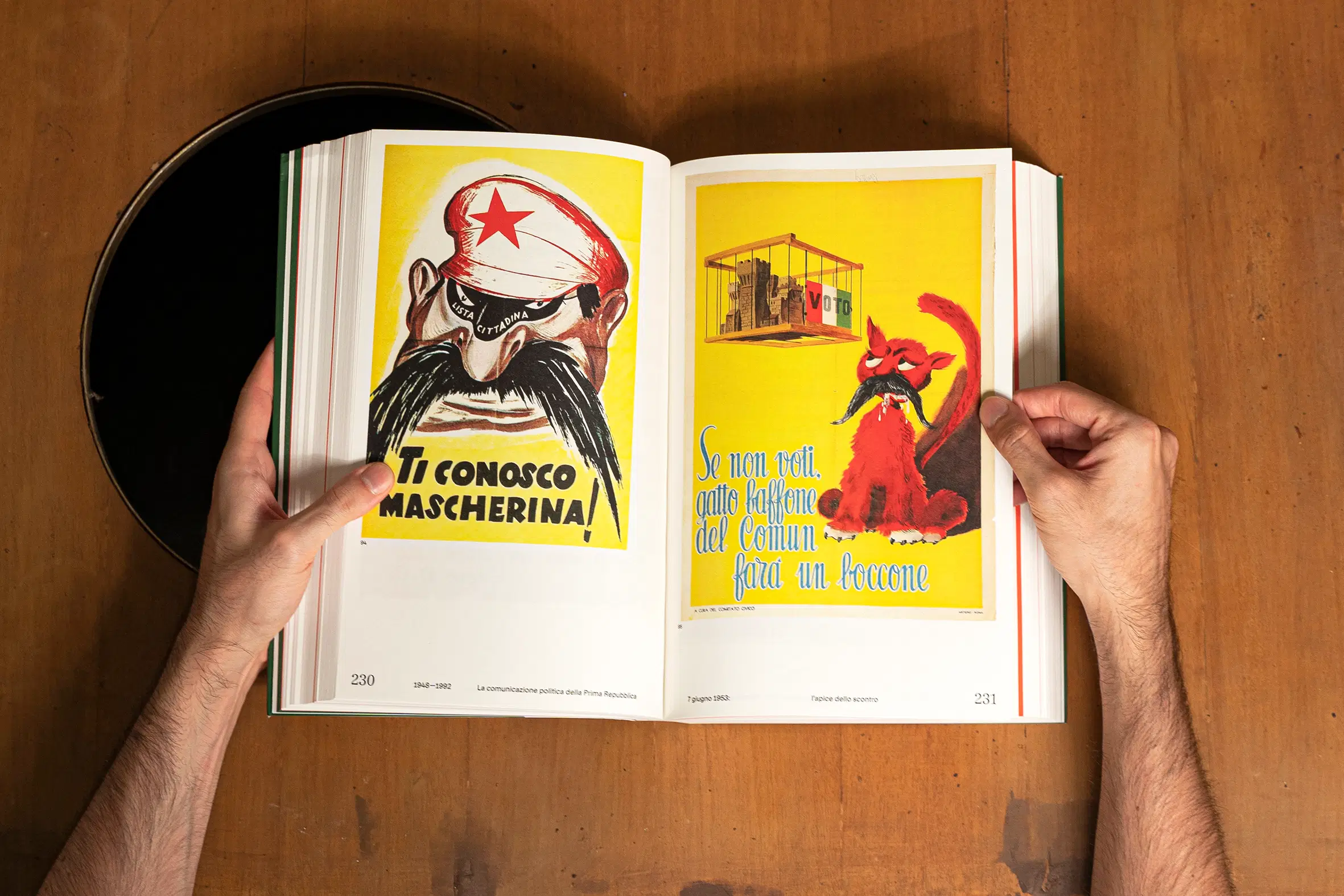
Ultimately, the research gives visibility to an often overlooked visual heritage. Displayed across streets and cities, political posters became one of the few communication tools capable of transcending party structures and speaking to the public as a whole. More than campaign artefacts, they preserve the graphic, cultural, and social transformations that shaped one of the most defining periods of modern Italy.